The NHS 10-Year Plan aims to shift healthcare closer to communities, supporting people earlier and preventing illness. To achieve this, Population Health Management (PHM) must become the backbone of smarter, more proactive care at a neighbourhood level.
PHM uses existing care data to identify needs early, enabling targeted action rather than generic responses. Done effectively, it helps practices, PCNs and Neighbourhoods to understand exactly who requires support and what that support should look like.
In our recent webinar, Population Health expert Jeremy Martin, and GP and Medical Director, Dr Lauren Parry from Taurus Healthcare joined us at Redmoor Health and Primary Care Analytics, to explore tools to help understand the data and suggest practical examples of how PHM is already transforming care.
Risk Stratification – how are you segmenting your population?
Jeremy Martin offered insights into various risk stratification tools and opportunities, either aimed at reducing inappropriate hospital admissions or better managing long term conditions. This would be alongside targeting prevention interventions for cohorts of patients, e.g. those at risk of falls or increasing frailty.
Populations can be categorised or segmented in numerous ways, this involves identification, prioritisation, and selecting manageable cohorts to support through targeted interventions. Cohorts can be identified through clinical judgment, rule based stratification, right through to predictive modelling and new AI analytical tools to manage large quantities of data and increase predictive power.
What PHM Looks Like in Practice
Dr Lauren Parry gave several powerful examples of what PHM looks like in action:
Public Health Screening- Closing Gaps in Cervical Screening
In Herefordshire, headline cervical screening rates looked strong. But when they looked through the lens of health inequalities and broke down the data by ethnicity, they found that Indian, Pakistani, and Bangladeshi women were being missed. By combining GP data across the county and working with local communities, they increased uptake and improved equality of access without needing to overhaul their entire system.
Reducing Pressure from Repeated Admissions
Health Systems often focus on hospital pressures as a priority, and all want to reduce the number of people attending A&E inappropriately or being admitted multiple times. A neighbourhood review of older patients who had been admitted to hospital three or more times revealed that needs varied significantly between PCNs. One PCN was admitting patients with lower frailty scores, but higher deprivation. Another had more severely frail patients but less intensive support. Tailored plans were then developed to better align workforce, continuity of care, and home-based alternatives for the most at-risk groups.
Through the lens of Long Term Conditions – Managing Fibromyalgia More Effectively
One PCN used PHM tools to identify patients with fibromyalgia who were booking high numbers of GP appointments, but reporting low satisfaction. By building a cohort of 96 patients and offering tailored education and care plans, they reduced appointment burden and improved patient experience. This wasn’t about rationing appointments. It was about giving people the right kind of support, in a more structured way.
Combining GP care and Rebalancing Specialist Demand
Local data showed that patients with heart failure and high frailty scores were waiting too long to see cardiologists. Yet geriatricians had available capacity. By shifting appropriate patients into geriatric clinics instead, they reduced waiting times, freed up cardiology slots, and provided more holistic care.
Continuity of Care vs Access – Planning for Housebound Patients
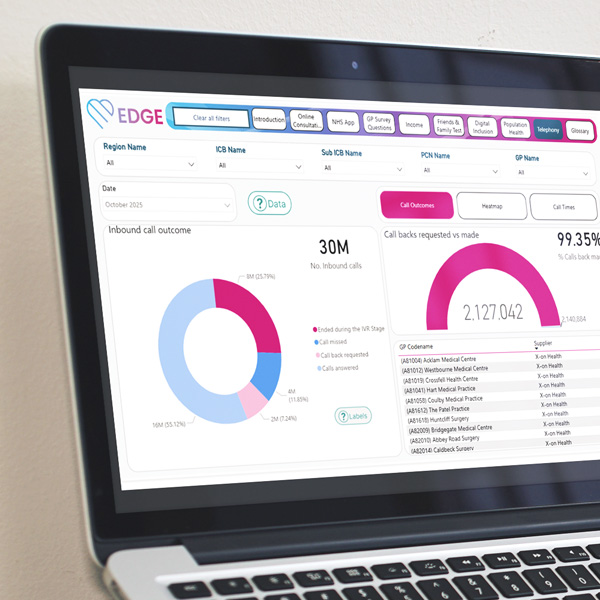
Some of the highest-need patients were being seen most frequently, but often without continuity or a clear plan. These patients were on duty Dr lists, passed between clinicians, and generated large volumes of patient admin. Using PHM dashboards, practices identified these cohorts and changed their approach, allocating named clinicians and structured visits.
Each of these examples used existing practice-level data. The difference was the mindset and the structure to interrogate it properly.
How to Get Started
If you’re looking to apply PHM in your neighbourhood or PCN, here are some practical ways to begin:
Moving from Insight to Delivery
PHM is already part of the GP contract as a key focus for PCNs and it’s referenced throughout the NHS 10-Year Plan. It’s the only realistic way for Integrated Neighbourhood Teams to make the best use of their people, budgets, and time.
By combining clinical insight with data, PCNs can move from reacting to demand toward managing it or better still preventing illness. That means fewer crises, fewer missed opportunities, and more care delivered in ways that matter to the people receiving it.
To view the full webinar or access practical tools to get started, join the Redmoor Digital & Transformation Network. You’ll find templates, dashboards, case studies, and peer support to help you go from intention to impact.

Blog by Clare Temple – Product Manager
Clare has been the lead administrator in a rural GP Practice for six years until joining the Redmoor team, where she has focused on implementing new digital solutions and techniques. These include Online Consultations, GP Online Services and website administration, where Clare has focused on making patient communications and flows more efficient. Clare has helped practices to develop things such as their appointment books, summary records, and optimise their clinical system, and is now using this knowledge to develop the Digital Journey Planner with Redmoor Health – which is all about supporting practices on their digital journeys. Clare understands the pressures that GPs are under at the moment and advocates the value that digital solutions can provide in easing some of this pressure.